

The Strong Families Fund is the largest pilot pay-for-performance project to finance Resident Service Coordination (RSC) in affordable housing for lower-income families. The initiative was created to measure the impact of resident service coordination on tenant and building performance within affordable housing. The performance-based contract approach helps to align all collaborating partners with a shared vision of success. This report reviews the results of the data collected through the first phase of the initiative. It demonstrates that using this performance-based approach to resident service coordination in affordable housing is a powerful way to increase economic mobility, health & well-being, housing stability, and community engagement and safety.
Geography: National

Share
Share on facebook Share on facebook Share on facebook Share on facebook Share on facebook Share on facebookCSH Statement on Final Passage of Reconciliation Bill
New Challenges for Supportive Housing After Reconciliation Bill Passes the House
Congress has now passed the reconciliation bill, finalizing a set of policy changes that will have far-reaching effects on individuals experiencing homelessness and those living in supportive housing.
Supportive housing is effective because it combines affordable homes with access to healthcare and services. When those services become harder to access, the foundation of supportive housing becomes less stable and its impact more difficult to sustain.
While this legislation includes significant new resources for affordable housing and facility development by expanding Low-Income Housing Tax Credits and preserving the New Market Tax Credit program, it makes it harder for states to fund critical housing-related services. The bill restricts the ability of states to pay for Medicaid and adds administrative and eligibility barriers to healthcare and nutrition programs, making it harder for people to access services that help them remain stably housed. States now face making difficult budget decisions to close gaps or cut enrollment and services to balance their budgets.
CSH remains committed to supporting the field through this transition period. In the coming weeks, we will share a thorough analysis of the bill and materials to help providers and policymakers understand the implications, navigate the challenges, and take advantage of the new affordable housing resources. We will also monitor the proposed consolidation and funding reductions to the Continuum of Care program and rental assistance programs that are still being considered as part of the broader fiscal year 2026 appropriations process.
Our focus remains on ensuring that supportive housing remains a viable and effective solution to homelessness and housing insecurity. CSH will continue to advocate for sustained funding and infrastructure for supportive housing as Congress takes up additional budget legislation in the months ahead.
We are grateful to stand with all who have weighed in with their congressional delegations, and who we know will continue to fight for people and communities where no one is left behind.
Deborah De Santis
CSH President and CEO

Share
Share on facebook Share on facebook Share on facebook Share on facebook Share on facebook Share on facebookCSH Statement on Senate Passage of the Reconciliation Bill
CSH Calls for Balanced Policy That Protects Both Housing and Health Supports
The Senate’s passage of the reconciliation bill presents a deeply mixed outcome for the supportive housing field. While we acknowledge the inclusion of important housing provisions such as expanding and making permanent the Low-Income Housing Tax Credits and the New Markets Tax Credit, we cannot overlook the harmful trade-offs embedded in this legislation.
These housing investments, while significant, are not sufficient to offset the damage caused by provisions that undermine access to essential healthcare and basic supports for people experiencing homelessness and housing instability. The bill imposes new barriers to Medicaid and nutrition assistance that will disproportionately impact individuals with complex health and housing needs. These are the very people supportive housing is designed to serve.
Supportive housing succeeds because it pairs affordable homes with the services that help people stay housed and maintain their health. When the government restricts access to those services, it weakens the entire model. Limiting state Medicaid funding tools, imposing burdensome recertification requirements, and expanding work requirements for vulnerable populations all threaten the stability and well-being of those we serve.
CSH remains committed to advancing effective policies that recognize the interconnectedness of housing, healthcare, and human services. We urge Congress to consider the full impact of this legislation, not just its housing investments, but also the barriers it creates for those most in need and the burdens it places on the communities in their districts. We will continue to work with partners across sectors to ensure that supportive housing remains a viable and effective solution to homelessness and housing insecurity.
Deborah De Santis
CSH President and CEO

Share
Share on facebook Share on facebook Share on facebook Share on facebook Share on facebook Share on facebookHealth and Housing: A Guide to Key Outcomes and Data Tracking
This guide enhances understanding of the health conditions experienced by individuals navigating housing instability. Utilizing existing data elements monitored at the intersection of health and housing allows professionals to reduce the administrative burden associated with new data tracking mechanisms while streamlining operations to improve health outcomes.

Share
Share on facebook Share on facebook Share on facebook Share on facebook Share on facebook Share on facebookGap Analysis on Post-Incarceration Health Care and Housing Linkage
This resource is intended to support health centers in identifying some important components to effective programming for HIV+ individuals leaving carceral settings to ensure smooth linkage to care and housing following discharge.
Share
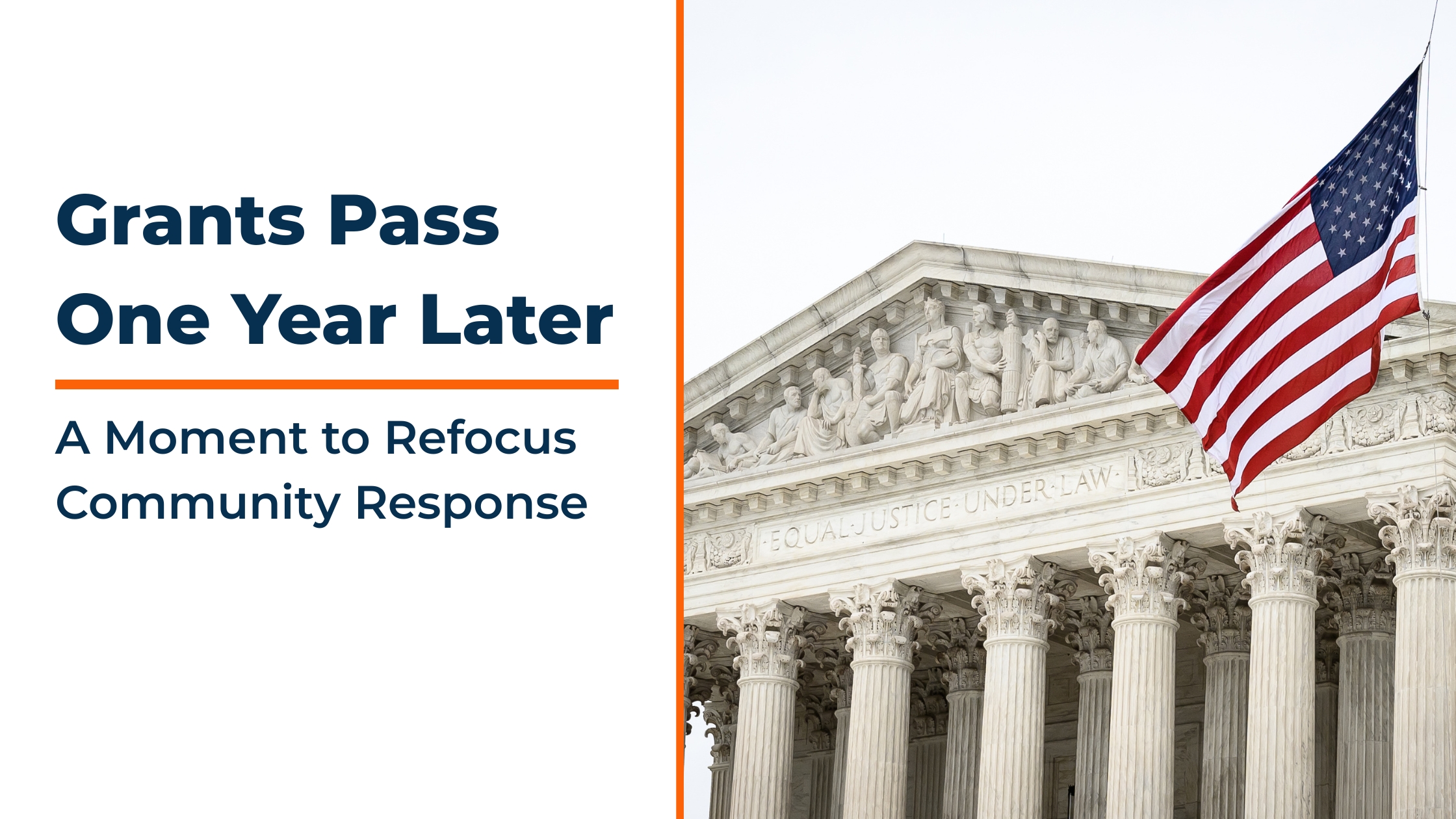
Share on facebook Share on facebook Share on facebook Share on facebook Share on facebook Share on facebookGrants Pass One Year Later
Grants Pass Anniversary: A Moment to Refocus Community Response
One year ago, the U.S. Supreme Court issued its decision in Grants Pass v. Johnson, affirming that local governments had the authority to enforce certain public camping bans, even when individuals experiencing homelessness have no access to shelter. While the ruling allows jurisdictions to employ law enforcement, which could include issuing tickets or making arrests to people sleeping or camping in public spaces, decades of research tell us the most effective response to unsheltered homelessness is a pathway off the streets and into stable housing.
Across the country, local leaders are navigating rising rates of unsheltered homelessness and increasing public concern. We recognize that many policymakers want quick solutions to help individuals access the services and support they need and often prioritize temporary responses. While it is essential to create more housing that people experiencing homelessness can afford, it takes time and sustained investment. That’s why the strategies we choose in the short-term matter.
When communities rely on the law enforcement and legal system as their primary response to unsheltered homelessness, they incur significantly higher public costs and make little difference in the rate of people sleeping outside. These enforcement-based approaches often make it harder for individuals to access housing and employment due to the imposition of criminal records and fines, disrupting contact with outreach workers, and the loss of possessions like IDs and medication. In fact, failing to invest in evidence-based strategies results in missed cost offsets of approximately $6,875 per person—resources that could otherwise be redirected toward more effective solutions. Those are the facts.
CSH supports immediate, actionable strategies that connect people to outreach, short-term housing options, and essential services. These approaches work, as the City of Dallas recently proved – reaching an effective end to unsheltered homelessness.
However, short-term responses alone are not enough. To truly reduce homelessness, we must continue to press for long-term solutions like increasing housing supply – especially supportive housing, which pairs housing with services such as mental health care, substance use treatment, and tenancy support.
It is both possible and urgent that we address the rising number of people experiencing homelessness. Last year, we saw a record reduction in the number of veterans who were homeless – down almost 60% since 2010. This success is due in large part to the ongoing and increasing investment in the Veterans Administration Supportive Housing (VASH) program. If we can solve homelessness among veterans, surely, we can implement this winning approach more broadly, especially at a time when there is an alarming increase in the number of aging adults experiencing homelessness for the first time.
The anniversary of Grants Pass v. Johnson is a moment to reflect and refocus. We urge community leaders and lawmakers to prioritize responses that are grounded in evidence and designed to deliver lasting results. Now is the time to focus on what works – approaches that are accountable, fiscally responsible, and capable of delivering meaningful change.

Share
Share on facebook Share on facebook Share on facebook Share on facebook Share on facebook Share on facebookSupporting Tenants to Make Timely Rent Payments
Speaking with supportive housing tenants about their finances can be challenging and sometimes uncomfortable. Income and expenses are often very private and sensitive matters for people. Being clear, direct, and respectful can help with navigating these discussions and ensuring tenants understand their rental obligations. This document is meant to serve as a primer for supportive housing staff (services and property management) on how to assist tenants with paying rent on time and in full (and how to help them when they can’t).

Share
Share on facebook Share on facebook Share on facebook Share on facebook Share on facebook Share on facebookHow to Request Rental and Operating Subsidy Increases
Rental and operating subsidies are critically important funding resources in supportive housing developments for people with extremely low incomes. Subsidies keep rents affordable while ensuring that the property owner has enough income to maintain and manage the property during the lifetime of the development. Subsidies ensure that tenants are less rent burdened by reducing their rent to no more than 30% of their income and that the building has sufficient revenue for operations. As operating expenses increase, the revenue for the building must keep pace to cover these costs. Supportive housing providers should have a practice and policy to request increases annually or as eligible. Receiving subsidy increases when eligible provides more revenue to pay for maintenance and repairs, and ensures the building has funds to safely and stably house residents. This guide helps you understand how to implement this practice and resources for program specific rules.

Share
Share on facebook Share on facebook Share on facebook Share on facebook Share on facebook Share on facebookHow to Access Additional Subsidies for Existing Supportive Housing
This guide provides recommendations for existing housing developments that may need additional subsidies to serve an extremely low-income supportive housing population. If you created a supportive housing development but there were not enough subsidies available at the time of opening, are using subsidies that expired (e.g. Tenant Based Rental Assistance – TBRA), or want to replace a current subsidy that does not allow rent increases with one that does, this guide is for you. Rental subsidies in supportive housing developments ensure affordability for residents while maintaining the project’s sustainability, bridging the gap between market rents and affordable rent for extremely low-income individuals and families. There are several government programs that support the inclusion of rental subsidies in supportive and affordable housing. Here are five approaches for owners and property managers to consider.
Share
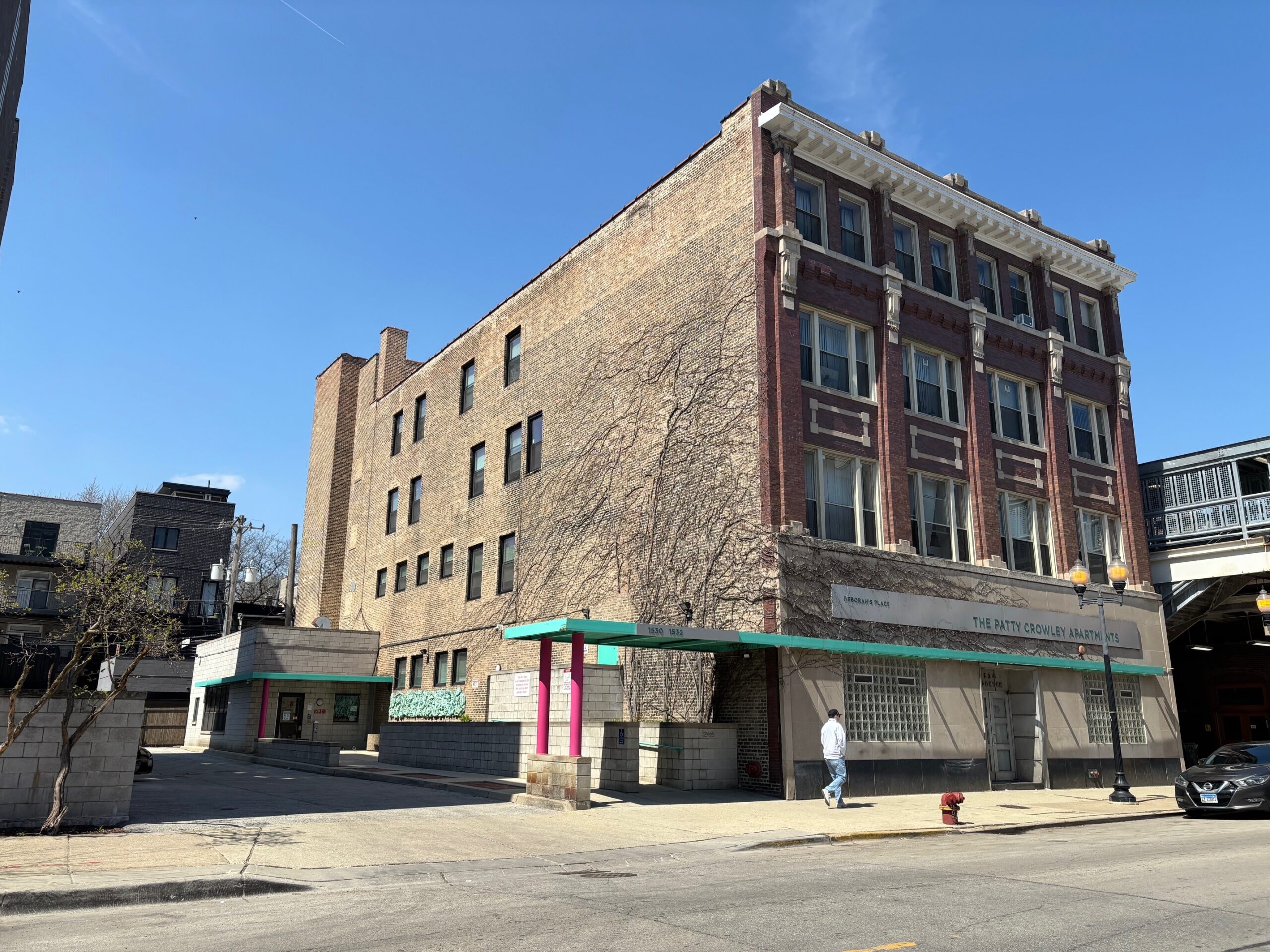
Share on facebook Share on facebook Share on facebook Share on facebook Share on facebook Share on facebookStrategies for Thinking Beyond the Replacement Reserve – Deborah’s Place Case Study
How Deborah’s Place Approaches Managing and Upgrading their Aging Properties
Deborah’s Place is the largest provider of Permanent Supportive Housing (PSH) in Chicago exclusively serving unaccompanied women who are experiencing homelessness. They serve more than 600 women a year with the following goal: once a woman comes to Deborah’s Place, they will never experience homelessness again. Deborah’s Place cares for their properties in a way that many providers strive to do. They use all the benefits of being a non-profit in finding creative approaches like philanthropy and volunteers to address and resolve challenges to keep their properties updated and well maintained. It is apparent in their housing stability outcomes that tenants like where they live and the services that come along with it, since Deborah’s Place maintains a 96% housing retention rate.