

Communities across the country are searching for effective solutions to unsheltered homelessness and encampments. Effective solutions provide people with a safe place to sleep and access to the support they need.
Approaches that rely on fines or arrests often make the problem worse and increase public spending on costly crisis systems. Stable housing paired with support services helps people get off the streets, out of encampments, and on a path to stability.
Our policy solutions help communities reduce visible homelessness, improve public safety, and create healthier neighborhoods by investing in proven approaches that work for both residents and the broader community.
To reduce unsheltered homelessness and create safer communities, we advance targeted policy solutions.
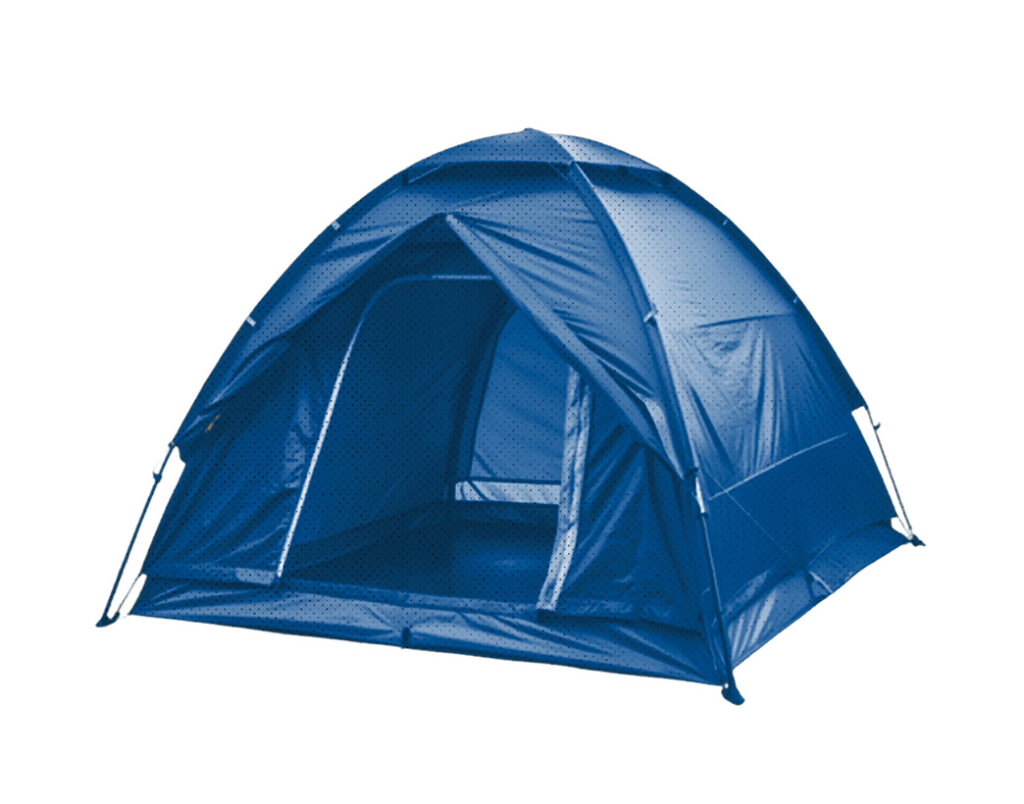
Proactive strategies help communities address unsheltered homelessness and transition people out of encampments quickly.
Strategies like employing outreach workers and getting people off of the street quickly into available housing is critical while still planning for the long-term housing development needs. Cities like Houston, Dallas, Denver, and Boston have done just that.
A successful approach combines short-term response linked to longer term strategy that invests in housing and services to help people get housed and stay housed.
When people have access to a safe place to live and the services they need, they can rebuild their lives. Investing in housing and services has been shown to make communities safer and stronger.
Legislation intended to address the challenges of unsheltered homelessness can have unintended consequences that make it harder for people to achieve stability.
As policymakers consider responses to people sleeping outside, they can take steps to reduce harm and strengthen connections to housing and supportive services. Policies are strongest when they include safeguards that protect people from unnecessary barriers to housing and services while promoting more effective outcomes.
We help communities build stronger homeless response systems that move more people into stable housing.
Through data analysis, system planning, stakeholder engagement, and capacity building, we help communities improve coordination, strengthen programs, and achieve better housing outcomes.

Related Resources


July 1, 2026
Adapt this letter to share with lawmakers.

July 1, 2026
Use this template to create action alerts for advocates & supporters.

July 1, 2026
Use this sample testimony for committee hearings.

October 17, 2025
This one-pager provides five proven state actions to reduce unsheltered homelessness. In response to recent executive orders, these practical, evidence-based strategies for responding to unsheltered…
December 2, 2025
Homelessness is rising nationwide, and recent policy proposals risk framing the issue through punitive measures rather than proven solutions. This resource provides evidence-based talking points…

July 1, 2026
Proven solutions to move people from encampments to stability.
FAQs
Why does it feel like unsheltered homelessness has increased a lot in my community?
Housing is becoming less affordable. Between 2020 and 2024, rents increased by about $400 per month nationwide, and research shows homelessness increases as rents rise. As more households are priced out of housing, more people are at risk of experiencing homelessness, including unsheltered homelessness.
Why can’t people go to a shelter instead of sleeping on the streets?
Shelters are not always a viable option for everyone who needs a safe place to sleep. Some communities have shelters with strict rules that may conflict with a person’s work schedule or prevent families from staying together. Some people feel unsafe or need more privacy, and some shelters cannot accommodate people with disabilities or specific health needs.
Is supportive housing more expensive than ticketing or arresting people for sleeping outside?
Fining and arresting people sleeping outside actually costs more. On average, jailing a person experiencing homelessness costs $131 per day, while hospitalizing that person costs $1,200 per day. Often, when people are released from these locations, they return to sleeping outside and may even get re-arrested, racking up significantly more costs. In contrast, providing supportive costs $72 per day.
Do supportive housing residents get free housing?
No. Everyone in supportive housing pays 30% of their income in rent, and many residents already work part-time or full-time jobs. Once their housing and disability needs have stabilized, more residents may transition into the workforce, and some eventually move out of supportive housing to live on their own.
Sign Up for Advocacy Alerts
Sign up for our policy & advocacy alerts to be the first to receive policy resources and take action on policy issues.