The federal government is now in a partial shutdown after funding expired on September 30. Without a continuing resolution (CR) or full-year appropriations in place, federal agencies have begun implementing contingency plans. While some programs may continue using previously obligated or multi-year funds, many others are paused, and access to federal staff and services is significantly limited.
Congressional Negotiations: Where Things Stand
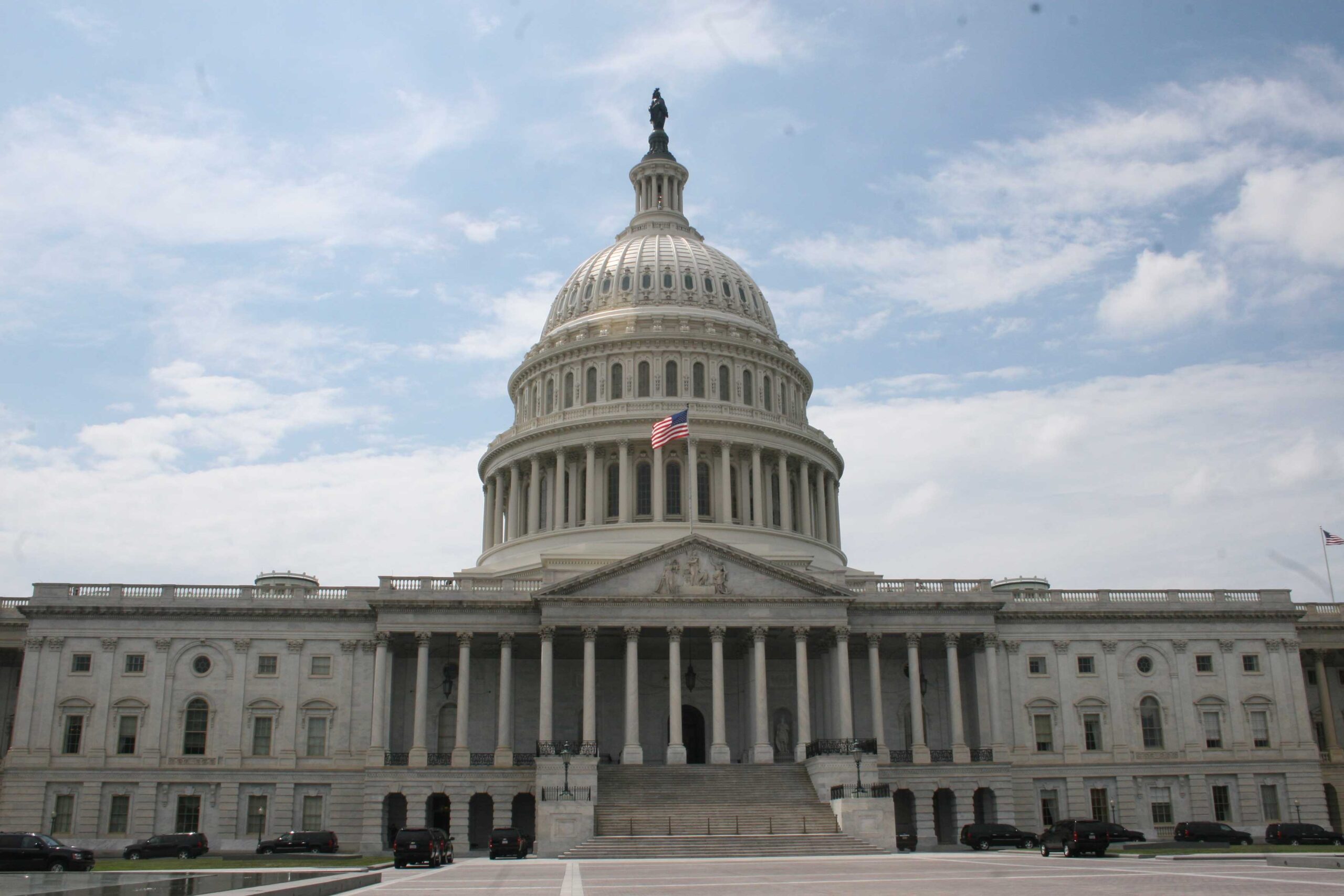
Efforts to pass a CR stalled in the final days of September, leading to the current shutdown. Lawmakers remain divided over both the length and scope of a funding agreement, with competing proposals failing to gain sufficient support. Since the shutdown began, congressional leaders have expressed a willingness to continue negotiations, and informal discussions are ongoing. However, no formal votes have been scheduled, and it remains unclear when a resolution will be reached or how long the shutdown will last.
What to Expect During the Government Shutdown
Organizations that rely on federal funding or work closely with federal agencies should prepare for the following realities:
- Limited Access to Federal Staff: Most HUD, HHS, and VA staff are furloughed. Only “excepted” employees—those performing emergency or life-safety functions—remain on duty, and even they are working without pay.
- Paused Program Activities: New grant awards, contract renewals, and technical assistance requiring HUD staff review are suspended.
- Drawdowns Still Possible: Previously obligated funds may still be drawn down through systems like eLOCCS, but any action requiring approval by a federal agency may be delayed.
- Delayed Payments: Federal employees and contractors will not be paid until the shutdown ends. Back pay is expected, but timing is uncertain.
- Risk of Reduction in Force (RIF): The Office of Management and Budget has instructed agencies to consider issuing RIF (reduction in force) notices for programs deemed inconsistent with administration priorities. While HUD has not announced any RIFs, the possibility remains if the shutdown continues.
Steps to Take During the Shutdown
- Draw down any available obligated funds through eLOCCS or other relevant systems (HUD, HHS, VA).
- Review your organization’s cash flow and contingency plans to ensure continuity of services in case of delayed reimbursements or federal support.
- Stay in close contact with your HUD field office and/or other federal partners for guidance on allowable activities, reporting, and system access.
- Document any service disruptions or funding delays to support future planning and potential reimbursement efforts.
- Contact your congressional delegation to share how a prolonged shutdown is impacting your organization, the people you serve, and your community. Personal stories and local data can help inform decision-making and emphasize the urgency of restoring federal operations.
CSH will continue to monitor the situation closely and provide updates as negotiations evolve.