
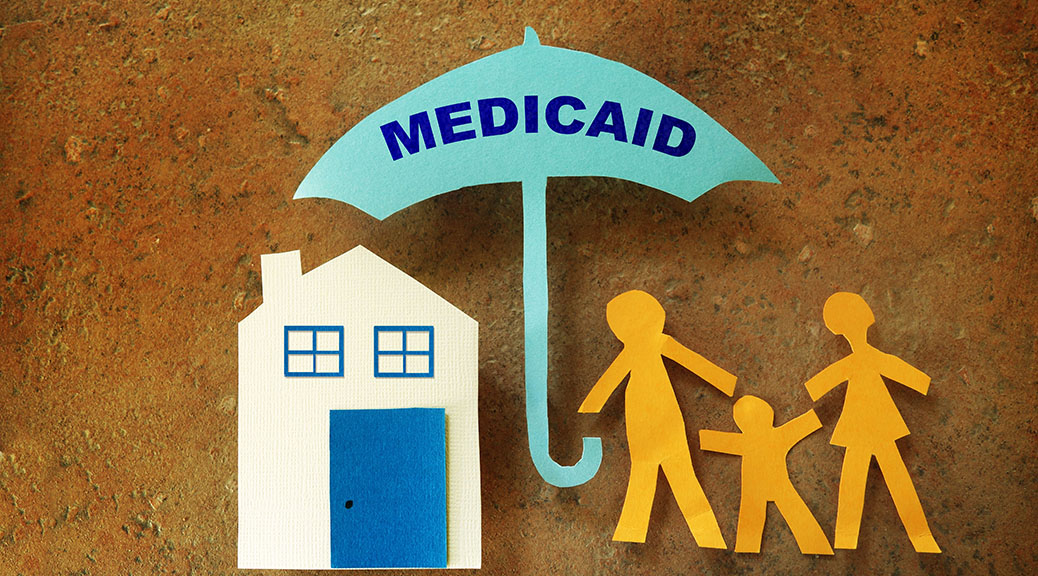
This Crosswalk examines how Illinois Medicaid services align with the supportive housing services needed to help people experiencing homelessness, housing instability, and complex health needs achieve long-term housing stability. The report analyzes existing Medicaid authorities, highlights promising opportunities within Illinois’ new 1115 waiver Housing Supports benefit, identifies remaining service and funding gaps, and offers recommendations to better coordinate housing, healthcare, and supportive services. Designed for housing providers, healthcare partners, policymakers, and advocates, the Crosswalk outlines practical strategies to expand supportive housing capacity and improve outcomes for Illinois residents with the greatest needs.
Area of Expertise: Disabilities
Share
Share on facebook Share on facebook Share on facebook Share on facebook Share on facebook Share on facebookPolicy Brief: Aligning Social Practice and Supportive Housing for Community-Centered Housing
Supportive housing is a proven approach to breaking the cycle of homelessness for people with serious mental illness and other disabilities. Supportive housing is a cost-effective approach that combines affordable housing with voluntary support services, enabling people to live with stability, autonomy, and dignity. While supportive housing is an effective approach for addressing homelessness, residents also need social support to live healthy lives and address loneliness, isolation, and barriers to maintaining their mental health.
Fountain House and CSH are exploring Community-Centered Housing (CCH), an innovative approach that integrates the clubhouse model’s social practice into supportive housing. Pioneered by Fountain House, social practice uses community engagement and social connection to help people recover from mental illness.
This policy brief illuminates early research findings from pilot programs, showing that Community-Centered Housing strengthens social connections, reduces loneliness, and enhances residents’ sense of purpose and wellbeing. To forge a path forward for expanding CCH, the brief recommends bringing the model to additional pilot sites, conducting rigorous evaluation, expanding workforce training, and educating the field about social practice and supportive housing integration.
This approach offers a chance to reimagine what housing can achieve. By embracing this model, we can drive meaningful transformation in the housing sector and create environments that support people living with serious mental illness and promote lasting recovery and stability.

Share
Share on facebook Share on facebook Share on facebook Share on facebook Share on facebook Share on facebookCSH FUSE: 20 Years of Breaking the Cycle of Homelessness
Twenty years ago, CSH developed the FUSE (Frequently Used Systems Engagement) model to deliver a transformative solution that aligns housing, health, and justice systems to provide supportive housing and coordinated care. With a proven track record of success, FUSE has become a national model for cross-sector collaboration and data-driven intervention.
For 20 years, CSH has partnered with communities across the country to identify people with complex needs who frequently cycle through emergency systems—such as shelters, hospitals, and jails—and connect them to the housing and services they need to break the cycle, achieve stability, and thrive.
This brief highlights 4 communities that have successfully implemented FUSE. Partners share their lessons learned and the lasting impact that FUSE has had on systems, residents, and communities.

Share
Share on facebook Share on facebook Share on facebook Share on facebook Share on facebook Share on facebookSupportive Housing Services Budgeting Tool
The purpose of the CSH Supportive Housing Services Staffing and Budget Tool is to support agencies, communities, and project planners to estimate comprehensive costs for supportive housing services. The tool uses a template that includes built-in assumptions around best practice for four staffing models: Assertive Community Treatment (ACT), Intensive Case Management (ICM), Tenancy Support Services (TSS), and Critical Time Intervention (CTI). Each of these models is well-researched and has a strong evidence base for efficacy with supportive housing tenants across a variety of constituencies. The tool allows the user to model out scattered site and project-based programs and input their average staffing costs, budget assumptions, and productivity expectations to determine rates needed by agencies for a fiscally sustainable program.
Last updated: August 2025

Share
Share on facebook Share on facebook Share on facebook Share on facebook Share on facebook Share on facebookSupportive Housing and Olmstead: State of the Conversation
This brief titled Supportive Housing and Olmstead: State of the Conversation, February 2024, delves into critical considerations for policymakers and advocates amidst implementing state HCBS settings rule transition plans and endeavors to ensure compliance with the landmark Olmstead v. L.C. decision. The essence of Olmstead lies in its vision to empower individuals with disabilities by fostering their seamless integration into communities and affording them the autonomy to choose supportive housing as a pathway to realizing this vision. This document recognizes the pivotal role of quality supportive housing in advancing these objectives and bolstering Money Follows the Person (MFP) initiatives across states.

Share
Share on facebook Share on facebook Share on facebook Share on facebook Share on facebook Share on facebookUsing Home and Community Based Services for Supportive Housing
This paper published with the generous support from The Harry and Jeanette Weinberg Foundation shares critical information about the Home and Community Based Services (HCBS) program and how it can boost ‘services’ in supportive housing. HCBS services help individuals live comfortably in their own homes, despite challenges commonly faced by people with disabilities and all of us as we age. HCBS will be an essential supplementary resource to help supportive housing tenants thrive in their community at all ages.

Share
Share on facebook Share on facebook Share on facebook Share on facebook Share on facebook Share on facebookHarnessing Cross-Systems Data to Keep Families Together
This data brief guides system providers on how to better coordinate data and services for families involved with systems, such as child welfare, homelessness response, behavioral health, education and justice.

Share
Share on facebook Share on facebook Share on facebook Share on facebook Share on facebook Share on facebookRenting 101
A Renters Guide for Successful Apartment Living
This guide is for anyone who will be renting an apartment for the first time. The information here is intended to make the transition to this new lifestyle easier. In this guide book you will find helpful tips on apartment living like housekeeping issues, keys to a successful relationship with your landlord and other resources.