
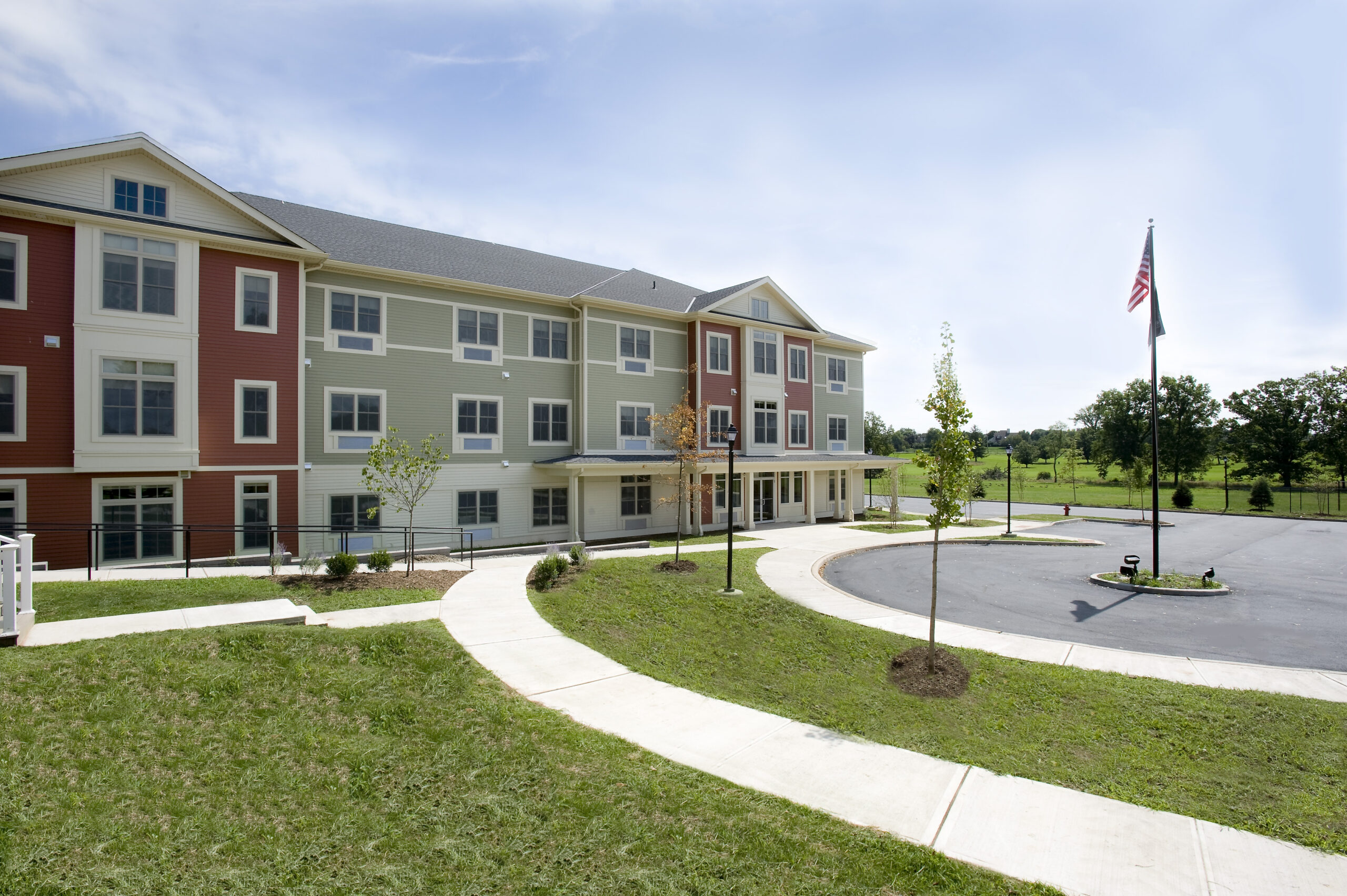
The ‘Road Map to Financing Supportive Housing in New Jersey’ provides developers, service providers, community partners, owners and funders with resources to build supportive housing. There is no single “go-to” source to build and sustain supportive housing. However, this Road Map seeks to identify public funding sources and resources that typically leverage private capital and lending.
We also encourage you to sign up for one or both of the following relevant trainings:
NJ Training on Role of Philanthropic Resources for Gap Financing
Friday, May 1, 2026, from 1:30 pm – 3 pm ET
Join us for a training designed for emerging supportive and affordable housing developers in New Jersey. Staff from CSH’s Fund Development team will share practical guidance on conducting prospect research, identifying philanthropic funding opportunities for gap financing, and strengthening your overall fundraising strategy. This session will highlight key tools, resources, and approaches for navigating the philanthropic landscape, along with insider tips to help you craft compelling proposals. Whether you’re new to fundraising or looking to sharpen your skills, this training will equip you with actionable insights to advance your development goals.
Supportive Housing Case Studies — Navigating the Financing of Small and Medium‑Sized Projects
Thursday, May 14, 2026, from 11:00 am to 12:30 pm ET
To complement the Road Map to Financing Supportive Housing in New Jersey, this session brings participants inside two supportive housing developments, tracing their journey from early concept through completion. Led by Chris Pugliese, Chief Property Development Officer at the Affordable Housing Alliance in Monmouth County, the session breaks down how capital, operating, and service funding streams come together in real projects.
Both projects spotlighted have supportive housing dedicated to people who were formerly homeless, a (small) 3‑unit project and a (medium) 67‑unit LIHTC development with a 5‑unit supportive set‑aside. The session includes dedicated time for Q&A with the hope this can inform future supportive housing efforts across the state.