
Share

Share on facebook Share on facebook Share on facebook

Supportive Housing Services Budgeting Tool

The purpose of the CSH Supportive Housing Services Staffing and Budget Tool is to support agencies, communities, and project planners to estimate comprehensive costs for supportive housing services. The tool uses a template that includes built-in assumptions around best practice for four staffing models: Assertive Community Treatment (ACT), Intensive Case Management (ICM), Tenancy Support Services (TSS), and Critical Time Intervention (CTI). Each of these models is well-researched and has a strong evidence base for efficacy with supportive housing tenants across a variety of constituencies. The tool allows the user to model out scattered site and project-based programs and input their average staffing costs, budget assumptions, and productivity expectations to determine rates needed by agencies for a fiscally sustainable program.

Last updated: August 2025

Share

Share on facebook Share on facebook Share on facebook

Strong Families Fund Mid-Project Report

The Strong Families Fund is the largest pilot pay-for-performance project to finance Resident Service Coordination (RSC) in affordable housing for lower-income families. The initiative was created to measure the impact of resident service coordination on tenant and building performance within affordable housing. The performance-based contract approach helps to align all collaborating partners with a shared vision of success. This report reviews the results of the data collected through the first phase of the initiative. It demonstrates that using this performance-based approach to resident service coordination in affordable housing is a powerful way to increase economic mobility, health & well-being, housing stability, and community engagement and safety.

View the Executive Summary

Share

Share on facebook Share on facebook Share on facebook

Strengthening Supportive Housing for New Yorkers with Complex Needs

New York City is facing a homelessness crisis, with more than 140,000 people experiencing homelessness, including many in migrant shelters. Supportive housing is an evidence-based best practice that has been proven to reduce homelessness and interactions with crisis systems while helping individuals and communities to thrive.

This landscape assessment discusses challenges and gaps in addressing the needs of New Yorkers with high acuity health needs. It also presents recommendations for effective interventions and promising models.

Share

Share on facebook Share on facebook Share on facebook

Supporting Tenants to Make Timely Rent Payments

Speaking with supportive housing tenants about their finances can be challenging and sometimes uncomfortable. Income and expenses are often very private and sensitive matters for people. Being clear, direct, and respectful can help with navigating these discussions and ensuring tenants understand their rental obligations. This document is meant to serve as a primer for supportive housing staff (services and property management) on how to assist tenants with paying rent on time and in full (and how to help them when they can’t).

Share

Share on facebook Share on facebook Share on facebook

How to Request Rental and Operating Subsidy Increases

Rental and operating subsidies are critically important funding resources in supportive housing developments for people with extremely low incomes. Subsidies keep rents affordable while ensuring that the property owner has enough income to maintain and manage the property during the lifetime of the development. Subsidies ensure that tenants are less rent burdened by reducing their rent to no more than 30% of their income and that the building has sufficient revenue for operations.  As operating expenses increase, the revenue for the building must keep pace to cover these costs. Supportive housing providers should have a practice and policy to request increases annually or as eligible. Receiving subsidy increases when eligible provides more revenue to pay for maintenance and repairs, and ensures the building has funds to safely and stably house residents. This guide helps you understand how to implement this practice and resources for program specific rules.

Share

Share on facebook Share on facebook Share on facebook

How to Access Additional Subsidies for Existing Supportive Housing

This guide provides recommendations for existing housing developments that may need additional subsidies to serve an extremely low-income supportive housing population. If you created a supportive housing development but there were not enough subsidies available at the time of opening, are using subsidies that expired (e.g. Tenant Based Rental Assistance – TBRA), or want to replace a current subsidy that does not allow rent increases with one that does, this guide is for you.   Rental subsidies in supportive housing developments ensure affordability for residents while maintaining the project’s sustainability, bridging the gap between market rents and affordable rent for extremely low-income individuals and families. There are several government programs that support the inclusion of rental subsidies in supportive and affordable housing. Here are five approaches for owners and property managers to consider.

Share

Share on facebook Share on facebook Share on facebook

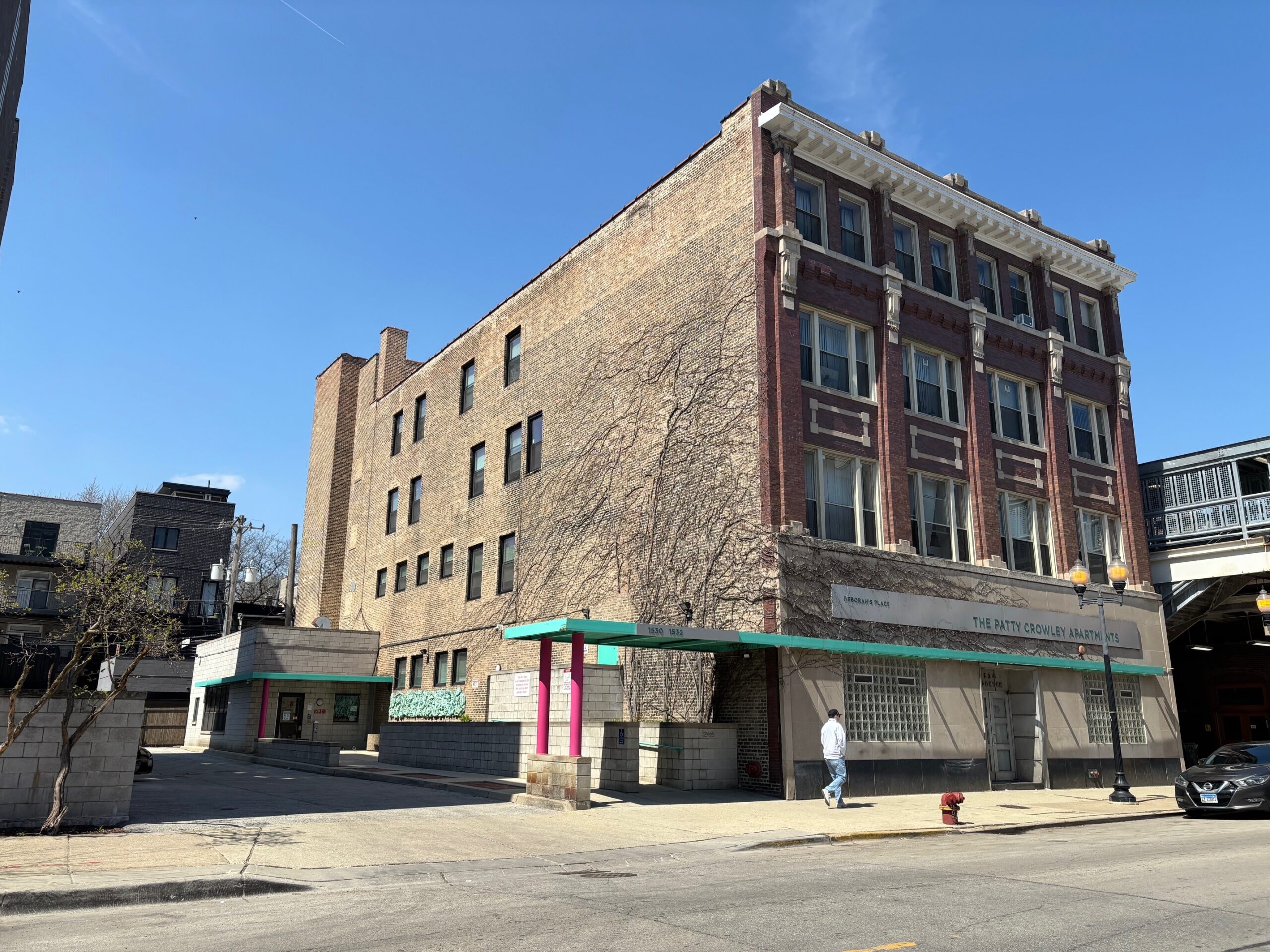
Strategies for Thinking Beyond the Replacement Reserve – Deborah’s Place Case Study

How Deborah’s Place Approaches Managing and Upgrading their Aging Properties

Deborah’s Place is the largest provider of Permanent Supportive Housing (PSH) in Chicago exclusively serving unaccompanied women who are experiencing homelessness. They serve more than 600 women a year with the following goal: once a woman comes to Deborah’s Place, they will never experience homelessness again. Deborah’s Place cares for their properties in a way that many providers strive to do. They use all the benefits of being a non-profit in finding creative approaches like philanthropy and volunteers to address and resolve challenges to keep their properties updated and well maintained. It is apparent in their housing stability outcomes that tenants like where they live and the services that come along with it, since Deborah’s Place maintains a 96% housing retention rate.

Share

Share on facebook Share on facebook Share on facebook

Brief: Federal Housing Vouchers to Support Youth Transitions – Part 1

These briefs discuss how Family Unification Program (FUP) and Foster Youth to Independence (FYI) federal housing vouchers can support transition, wellbeing, and stability for youth/young adults’ transitions from foster care involvement with the child welfare system. Part 1 provides an overview of FUP and FYI vouchers. Part 2 offers a detailed guide to administering FUP and FYI vouchers for youth and young adults. 

The publications were made possible in collaboration with Casey Family Programs, whose mission is to provide, improve – and ultimately prevent the need for – foster care.


To access the Youth Housing Voucher Brief – Part 2, please follow the link below.

Share

Share on facebook Share on facebook Share on facebook

Brief: Federal Housing Vouchers to Support Youth Transitions – Part 2

These briefs discuss how Family Unification Program (FUP) and Foster Youth to Independence (FYI) federal housing vouchers can support transition, wellbeing, and stability for youth/young adults’ transitions from foster care involvement with the child welfare system. Part 1 provides an overview of FUP and FYI vouchers. Part 2 offers a detailed guide to administering FUP and FYI vouchers for youth and young adults. 

The publications were made possible in collaboration with Casey Family Programs, whose mission is to provide, improve – and ultimately prevent the need for – foster care.


To access Part 1, please continue to through the link below.

Share

Share on facebook Share on facebook Share on facebook

Child Welfare Family Housing Voucher Briefs

These briefs present information on federal housing voucher programs, such as the Family Unification Program (FUP), that child welfare and housing leaders can use to stabilize families through cross-sector partnerships. These briefs provide strategies for successfully administering FUP vouchers and identifying FUP eligible families. They also dispel common myths around the administration of FUP vouchers, so that these critical housing resources can be leveraged to to help strengthen families and keep children safe.

The publications were made possible in collaboration with Casey Family Programs, whose mission is to provide, improve – and ultimately prevent the need for – foster care.


To access the Brief on Family Housing Vouchers – Part 2, follow the link below.