

The 2026 Kentucky Medicaid Crosswalk provides a comprehensive analysis of how Kentucky’s Medicaid program aligns with evidence-based supportive housing services. Developed in partnership with the Kentucky Housing Corporation, the report examines current policies—including the 1915(i) RISE program—alongside provider insights and national best practices to identify strengths, gaps, and opportunities for improvement. It explores how Medicaid-funded services can better support people experiencing homelessness or housing instability, highlights the critical role of cross-sector coordination, and offers actionable recommendations to expand access to stable housing, improve health outcomes, and strengthen system efficiency across Kentucky.
Area of Expertise: Health and Housing Connections
Share
Share on facebook Share on facebook Share on facebook Share on facebook Share on facebook Share on facebookPolicy Brief: Aligning Social Practice and Supportive Housing for Community-Centered Housing
Supportive housing is a proven approach to breaking the cycle of homelessness for people with serious mental illness and other disabilities. Supportive housing is a cost-effective approach that combines affordable housing with voluntary support services, enabling people to live with stability, autonomy, and dignity. While supportive housing is an effective approach for addressing homelessness, residents also need social support to live healthy lives and address loneliness, isolation, and barriers to maintaining their mental health.
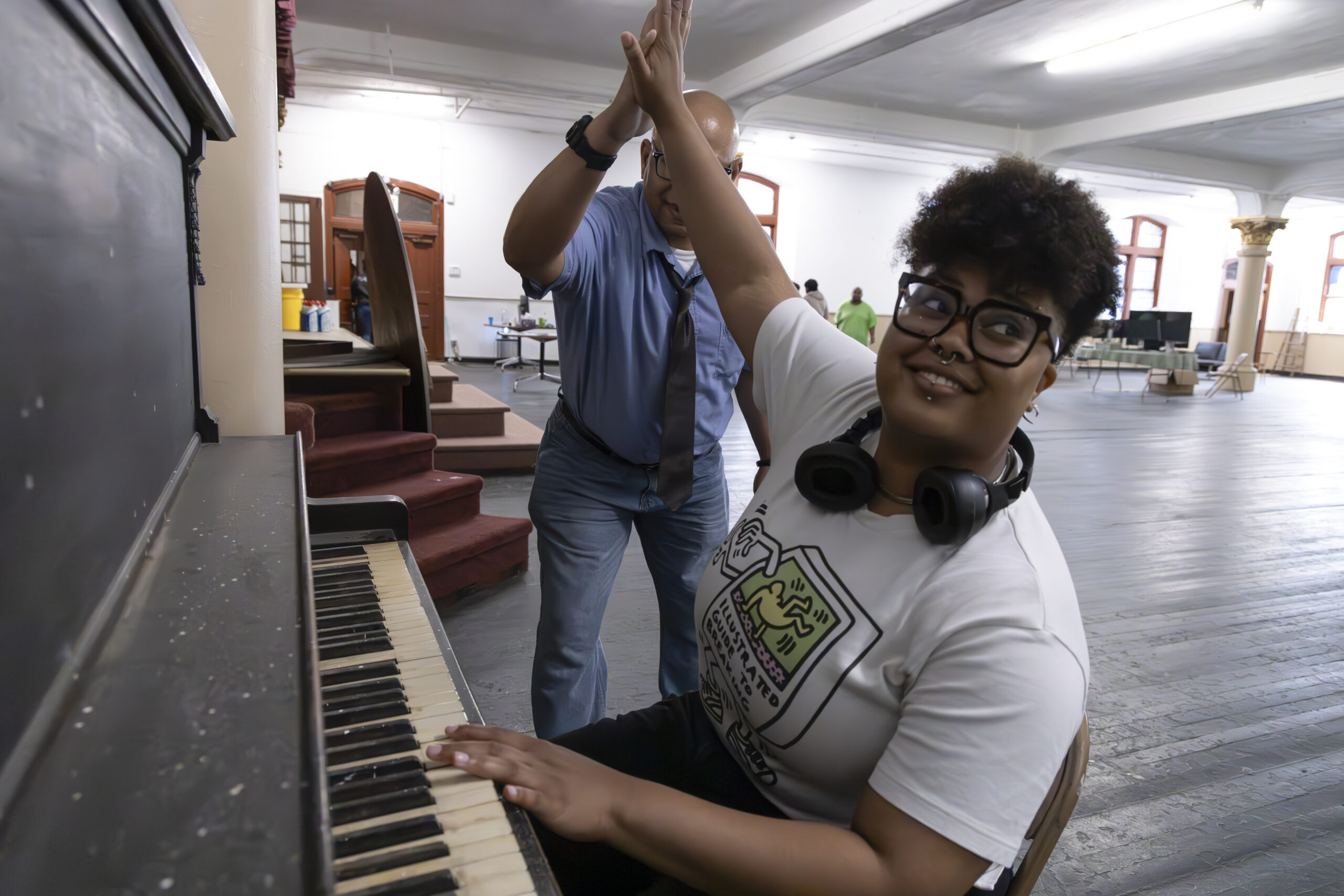
Fountain House and CSH are exploring Community-Centered Housing (CCH), an innovative approach that integrates the clubhouse model’s social practice into supportive housing. Pioneered by Fountain House, social practice uses community engagement and social connection to help people recover from mental illness.
This policy brief illuminates early research findings from pilot programs, showing that Community-Centered Housing strengthens social connections, reduces loneliness, and enhances residents’ sense of purpose and wellbeing. To forge a path forward for expanding CCH, the brief recommends bringing the model to additional pilot sites, conducting rigorous evaluation, expanding workforce training, and educating the field about social practice and supportive housing integration.
This approach offers a chance to reimagine what housing can achieve. By embracing this model, we can drive meaningful transformation in the housing sector and create environments that support people living with serious mental illness and promote lasting recovery and stability.

Share
Share on facebook Share on facebook Share on facebook Share on facebook Share on facebook Share on facebookCSH FUSE: 20 Years of Breaking the Cycle of Homelessness
Twenty years ago, CSH developed the FUSE (Frequently Used Systems Engagement) model to deliver a transformative solution that aligns housing, health, and justice systems to provide supportive housing and coordinated care. With a proven track record of success, FUSE has become a national model for cross-sector collaboration and data-driven intervention.
For 20 years, CSH has partnered with communities across the country to identify people with complex needs who frequently cycle through emergency systems—such as shelters, hospitals, and jails—and connect them to the housing and services they need to break the cycle, achieve stability, and thrive.
This brief highlights 4 communities that have successfully implemented FUSE. Partners share their lessons learned and the lasting impact that FUSE has had on systems, residents, and communities.

Share
Share on facebook Share on facebook Share on facebook Share on facebook Share on facebook Share on facebookSupportive Housing Services Budgeting Tool
The purpose of the CSH Supportive Housing Services Staffing and Budget Tool is to support agencies, communities, and project planners to estimate comprehensive costs for supportive housing services. The tool uses a template that includes built-in assumptions around best practice for four staffing models: Assertive Community Treatment (ACT), Intensive Case Management (ICM), Tenancy Support Services (TSS), and Critical Time Intervention (CTI). Each of these models is well-researched and has a strong evidence base for efficacy with supportive housing tenants across a variety of constituencies. The tool allows the user to model out scattered site and project-based programs and input their average staffing costs, budget assumptions, and productivity expectations to determine rates needed by agencies for a fiscally sustainable program.
Last updated: August 2025

Share
Share on facebook Share on facebook Share on facebook Share on facebook Share on facebook Share on facebookHealth and Housing: A Guide to Key Outcomes and Data Tracking
This guide enhances understanding of the health conditions experienced by individuals navigating housing instability. Utilizing existing data elements monitored at the intersection of health and housing allows professionals to reduce the administrative burden associated with new data tracking mechanisms while streamlining operations to improve health outcomes.

Share
Share on facebook Share on facebook Share on facebook Share on facebook Share on facebook Share on facebookGap Analysis on Post-Incarceration Health Care and Housing Linkage
This resource is intended to support health centers in identifying some important components to effective programming for HIV+ individuals leaving carceral settings to ensure smooth linkage to care and housing following discharge.

Share
Share on facebook Share on facebook Share on facebook Share on facebook Share on facebook Share on facebookSupportive Housing and Olmstead: State of the Conversation
This brief titled Supportive Housing and Olmstead: State of the Conversation, February 2024, delves into critical considerations for policymakers and advocates amidst implementing state HCBS settings rule transition plans and endeavors to ensure compliance with the landmark Olmstead v. L.C. decision. The essence of Olmstead lies in its vision to empower individuals with disabilities by fostering their seamless integration into communities and affording them the autonomy to choose supportive housing as a pathway to realizing this vision. This document recognizes the pivotal role of quality supportive housing in advancing these objectives and bolstering Money Follows the Person (MFP) initiatives across states.
Share
Share on facebook Share on facebook Share on facebook Share on facebook Share on facebook Share on facebookAdministrative Models for Medicaid Funding Services
A Resource for Housing and Homeless Programs Considering Options for Billing for Medicaid Eligible Services
This review of Medicaid models is designed to assist supportive housing providers and homeless service organizations consider strategies to enhance their services (and services funding) through partnerships or through securing new resources. Included are comprehensive overviews of three options: Becoming a Medicaid Billable Agency; Collaborating to Increase Services and Capacity; and Contracting with an Administrative Services Organization.
This material is based upon work supported by the Corporation for National and Community Service (CNCS) under Social Innovation Fund Grant No.16PSHNY002. Opinions or points of view expressed in this document are those of the authors and do not necessarily reflect the official position of, or a position that is endorsed by, CNCS.