
Housing and Justice System Connections
CSH partners with communities to plan, build, and manage supportive housing for people who have been in jail or prison so they can stay out of the justice system and rebuild their lives.

Housing instability is one of the most persistent barriers to successful diversion and reentry for justice-involved individuals. Securing stable housing is often the first and most critical step after incarceration—yet people with conviction histories face steep barriers to access. According to a Prison Policy Initiative analysis, formerly incarcerated people are nearly ten times more likely to experience homelessness than the general population. This lack of housing fuels a cycle of recidivism, where individuals are repeatedly incarcerated for issues tied to homelessness, untreated mental illness, and addiction.
CSH has consistently proven that individuals with incarceration histories can thrive as tenants when connected to supportive housing and services. This approach not only promotes stability but also delivers strong public returns—reducing crisis and institutional costs while enhancing public safety. Flagship initiatives like Returning Home Ohio and FUSE exemplify this impact, demonstrating how targeted housing and service interventions can effectively reduce recidivism, break the cycle of homelessness and improve successful reintegration into communities for justice-involved populations.
What do we mean by “carceral” system?
The term “carceral system” is a far more accurate but less widely used or understood than the term “Criminal Justice System.” According to UC Berkeley’s Underground Scholars Language Guide, it’s best understood as a comprehensive network of systems that rely, at least in part, on the exercise of state-sanctioned physical, emotional, spatial, economic, and political incarceration. These systems include formal institutions such as law enforcement and the courts (i.e., jails and prisons), surveillance and data mining technology, and more.
CSH’s Justice Initiatives, Case Studies, and Housing Interventions
We collaborate across sectors to break the cycle of justice-system involvement.
CSH has worked alongside communities for decades as they have constructed models to expand housing access for people impacted by the justice system.
Below are some examples of CSH’s state and local justice initiatives, case studies, and housing interventions that we have worked on or supported over the years.

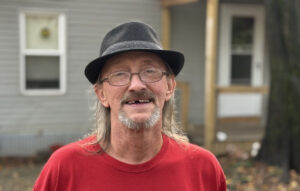
Returning Home®
These programs connect people exiting the state’s prison system with supportive housing through a partnership between CSH and Ohio agencies across the state. For more than 10 years, the results have been outstanding with the vast majority of those in supportive housing never returning to prison. CSH is currently working with agencies in other states to bring this highly effective program to communities across the country.
Learn More

FUSE (Frequently Used System Engagement)
CSH’s FUSE initiative helps communities break the cycle of homelessness and crisis among individuals with complex behavioral health challenges. Without supportive housing, communities rely on costly crisis systems—emergency rooms, jails, shelters—to respond to individuals who cycle through them repeatedly. FUSE helps shift this pattern with supportive housing that offers stability and long-term savings.
Learn More

Pay for Success
Pay for Success is an innovative financing approach that helps communities invest in supportive housing and services that improve lives and reduce public costs. Private or philanthropic investors provide upfront funding for programs—such as housing for people leaving jail or prison—and are repaid only if measurable outcomes, like reduced recidivism or improved health, are achieved.
This results-driven model helps scale proven solutions and strengthen cross-sector partnerships: for example, Denver’s Supportive Housing Social Impact Bond initiative found that 77% of more than 700 participants who received housing and services remained stably housed and had significantly reduced justice system involvement over five years. By linking funding to outcomes, Pay for Success supports expanding supportive housing that helps people stay out of the justice system and rebuild their lives.
Learn More
Featured Supportive Housing Developments
Fortune Castle Gardens
Fortune Castle Gardens, located in Harlem, New York, combines permanent supportive and affordable housing, serving both justice-impacted individuals and community members with low incomes.
Case Studies of Our Work
Homeless Response Consulting and Non-Partisan Policy Solutions
We help communities move beyond costly and punitive responses—like fines, arrests, and encampment sweeps—by designing timely, cost-effective strategies that prioritize housing and public safety. Our tailored consulting and policy framework supports governments, service providers, and cross-system partners in building data-informed, community-driven solutions to homelessness.
Breaking Down Housing Access Barriers
CSH has seen firsthand how background checks and overly restrictive housing policies have increasingly limited access to stable housing, especially for those with justice involvement. Public nuisance and crime-free ordinances add further barriers, deepening housing instability. Yet, our work in supportive housing consistently shows that stable housing and services are key to successful reentry, reduced recidivism, and stronger families.
We recognize that change takes time and collaboration. That’s why CSH is working with jurisdictions nationwide to support this transition and advocate for more people-centered policies and practices. Everyone deserves a second chance — and that begins with a safe, stable place to call home.
Embedding Lived Experience
Lived expertise is central to all the work we do. By embedding lived experience in our work, we centralize the voices of those most impacted by homelessness and involvement in systems to help design solutions that address the root causes of homelessness and enable dignity. CSH programs such as Speak Up! aim to raise the voices and wisdom of people with lived experiences of homelessness, justice involvement, and mental illness.