

This guide provides recommendations for existing housing developments that may need additional subsidies to serve an extremely low-income supportive housing population. If you created a supportive housing development but there were not enough subsidies available at the time of opening, are using subsidies that expired (e.g. Tenant Based Rental Assistance – TBRA), or want to replace a current subsidy that does not allow rent increases with one that does, this guide is for you. Rental subsidies in supportive housing developments ensure affordability for residents while maintaining the project’s sustainability, bridging the gap between market rents and affordable rent for extremely low-income individuals and families. There are several government programs that support the inclusion of rental subsidies in supportive and affordable housing. Here are five approaches for owners and property managers to consider.
Area of Expertise: Housing Preservation
Share
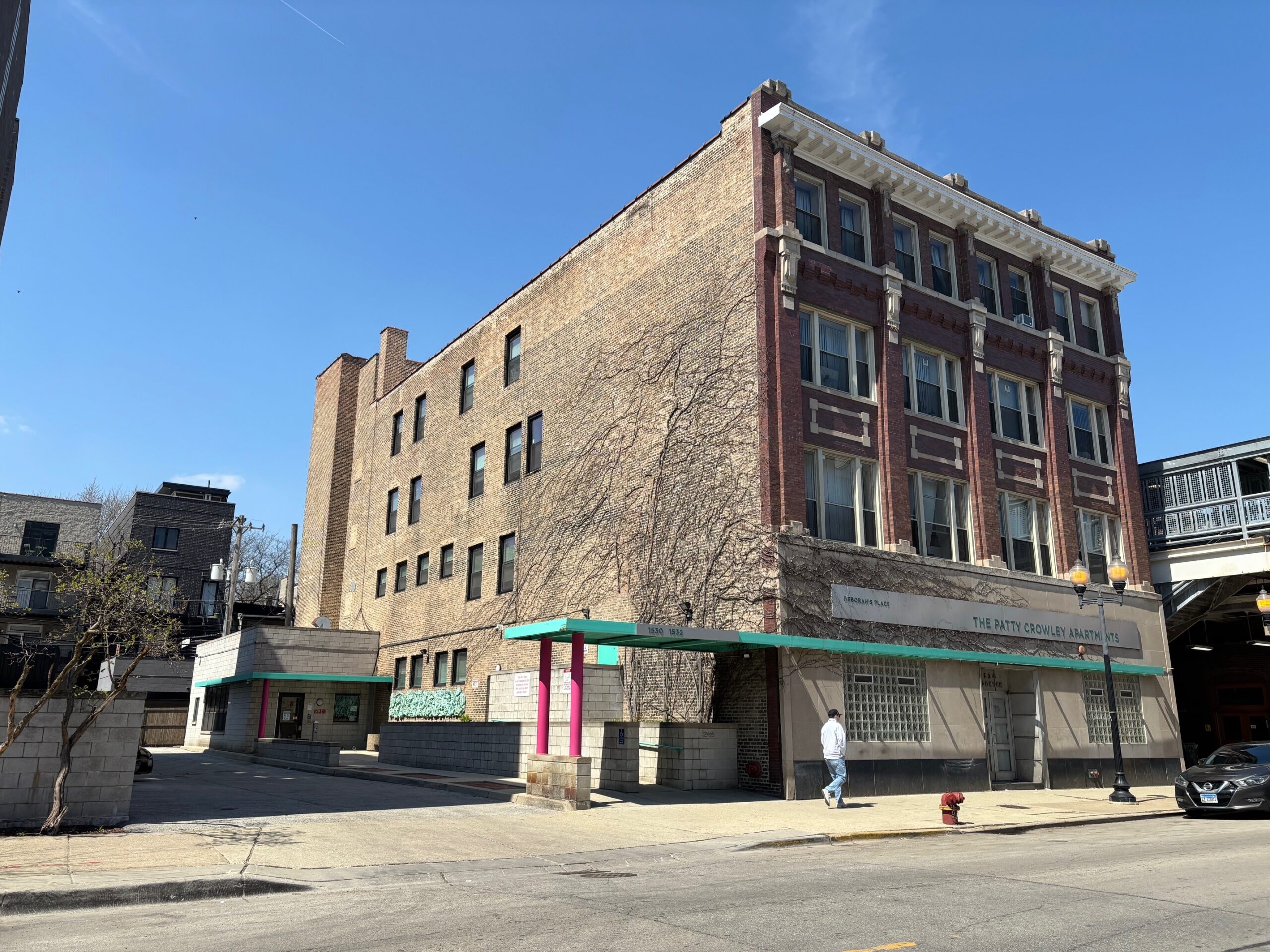
Share on facebook Share on facebook Share on facebook Share on facebook Share on facebook Share on facebookStrategies for Thinking Beyond the Replacement Reserve – Deborah’s Place Case Study
How Deborah’s Place Approaches Managing and Upgrading their Aging Properties
Deborah’s Place is the largest provider of Permanent Supportive Housing (PSH) in Chicago exclusively serving unaccompanied women who are experiencing homelessness. They serve more than 600 women a year with the following goal: once a woman comes to Deborah’s Place, they will never experience homelessness again. Deborah’s Place cares for their properties in a way that many providers strive to do. They use all the benefits of being a non-profit in finding creative approaches like philanthropy and volunteers to address and resolve challenges to keep their properties updated and well maintained. It is apparent in their housing stability outcomes that tenants like where they live and the services that come along with it, since Deborah’s Place maintains a 96% housing retention rate.