

The growth of supportive housing over the last 30 years has been built on a foundation of research showing that it provides core benefits to people and communities. CSH compiled this list of selected literature on supportive housing from the last 20 years as a resource. Please review each source carefully to understand how to apply it to your work. Download a summary of outcomes in supportive housing including many of these listed sources by clicking here.
Geography: National

Share
Share on facebook Share on facebook Share on facebook Share on facebook Share on facebook Share on facebookCSH Quality Supportive Housing Standards
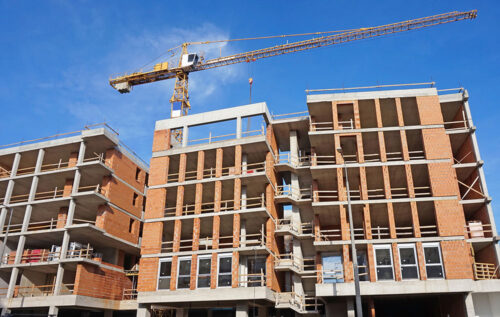
Supportive housing combines affordable housing with supportive services to help people who face the most complex challenges live with stability, autonomy, and dignity. CSH created these standards to guide a wide range of groups—including tenant leaders, housing developers, landlords, service providers, funders, property managers, government officials, and health care organizations—to work together to build and operate high-quality supportive housing.
The Quality Standards apply to all types of projects, whether site-based or scattered-site, and in rural, suburban, or urban areas. How the standards are put into practice may vary due to the diversity of supportive housing models.
Share
Share on facebook Share on facebook Share on facebook Share on facebook Share on facebook Share on facebookCSH Pre-Development Quality Standards Checklist
This resource breaks down the core components of supportive housing and explains how to align a project with the CSH Quality Standards when planning a new development.

Share
Share on facebook Share on facebook Share on facebook Share on facebook Share on facebook Share on facebookKey Results for Tenants in Supportive Housing
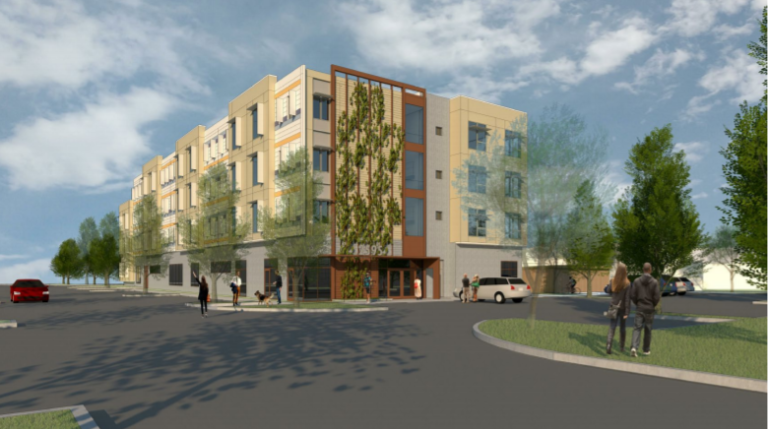
This guide outlines five essential outcomes every successful supportive housing program should target, drawn from the larger CSH Quality Supportive Housing Standards. The Quality Standards provides a roadmap for creating and operating supportive housing that will best
achieve meaningful results. CSH encourages organizations to know their baseline performance regarding these outcomes and set ambitious goals to drive ongoing progress.
Share
Share on facebook Share on facebook Share on facebook Share on facebook Share on facebook Share on facebookSupportive Housing Property Management Plan Template & Guidebook
The purpose of this Supportive Housing Property Management Plan (SHPMP) is to provide guidance to housing providers that operate housing programs that serve people who have experienced homelessness, are at-risk homelessness, or face barriers to housing, including people with extremely low-income, disabilities, poor rental or credit histories, and justice-involved histories. Property Managers who provide this type of housing should coordinate with supportive service providers to ensure their tenants can utilize services, both on-site and off-site, to maintain stable housing and meet these needs.
The SHPMP contains 19 sections, each with critical context, promising practice guidance, and key questions to consider when developing supportive housing programs and property management plans.

Share
Share on facebook Share on facebook Share on facebook Share on facebook Share on facebook Share on facebookSupportive Housing Services Plan Template and Guidebook
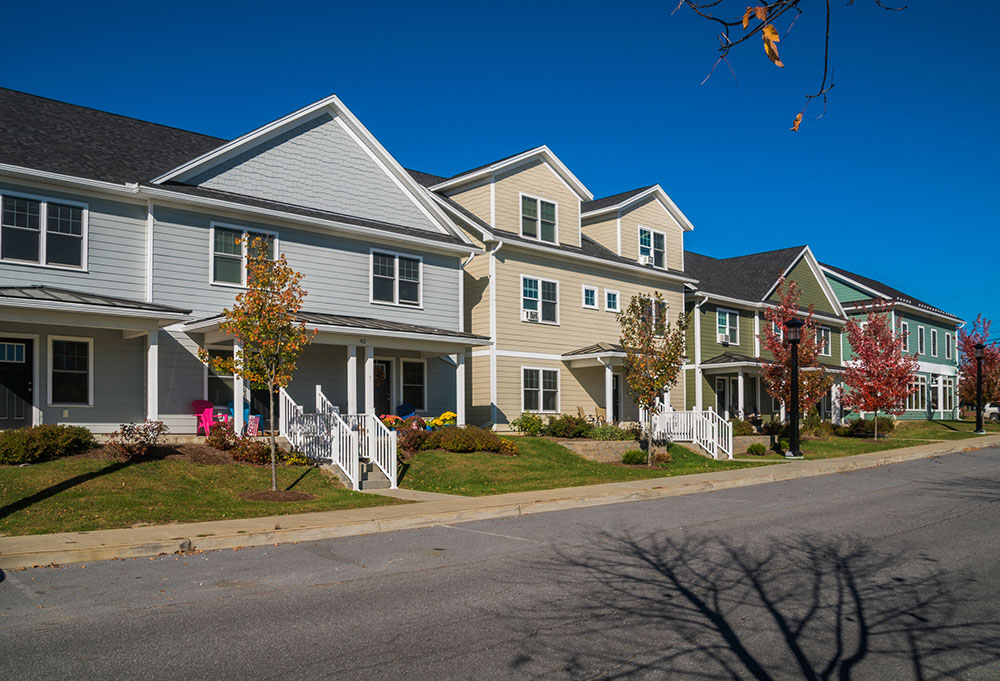
The purpose of this Supportive Housing Services Plan (SHSP) Template and Guidebook is to provide guidance to supportive housing programs—both scattered-site and site-based—that serve people who have experienced homelessness, are at-risk homelessness, or face barriers to obtaining housing. Service providers should coordinate with property management to ensure tenants are connected to services both on-site and off-site that support long-term housing stability.
The Supportive Housing Services Plan Guidebook contains 16 sections, each offering essential context, promising practice guidance, and key questions to consider when developing supportive housing programs and housing services plans.
Share
Share on facebook Share on facebook Share on facebook Share on facebook Share on facebook Share on facebookOverview of Memorandums of Understandings (MOUs), Agreements, and Contracts in the Development Process
There are many types of agreements that need to be executed during the supportive housing development process. This document describes different circumstances that require an agreement and the different elements of a development partnership agreement. It also provides space for developers to take notes and track progress on the various agreements they are executing. Practitioners can utilize the fillable fields to record agreement details, note outstanding tasks, and track progress toward execution.

Share
Share on facebook Share on facebook Share on facebook Share on facebook Share on facebook Share on facebookSummary of H.R.1 Medicaid Provisions
H.R.1 is estimated to reduce federal spending on Medicaid by more than $1 trillion over ten years, and cause as many as ten million people to lose their health insurance.
Share
Share on facebook Share on facebook Share on facebook Share on facebook Share on facebook Share on facebookSummary of H.R.1 Finance Provisions
The new law enacts policy and funding changes to key housing development financing tools: the Private Activity Bonds (PABs) and 4% Low Income Housing Tax Credit (LIHTC) Program and the 9% LIHTC Program.
Share
Share on facebook Share on facebook Share on facebook Share on facebook Share on facebook Share on facebookA Practice Framework for Delivering Services to Families in Supportive Housing
This document provides a framework for practice in family supportive housing settings. It is intended to be a capacity-building tool for those who are designing or already providing case management services for families living in supportive housing. However, those in the supportive housing field are encouraged to further enhance this tool with their own experiences and practice protocols.